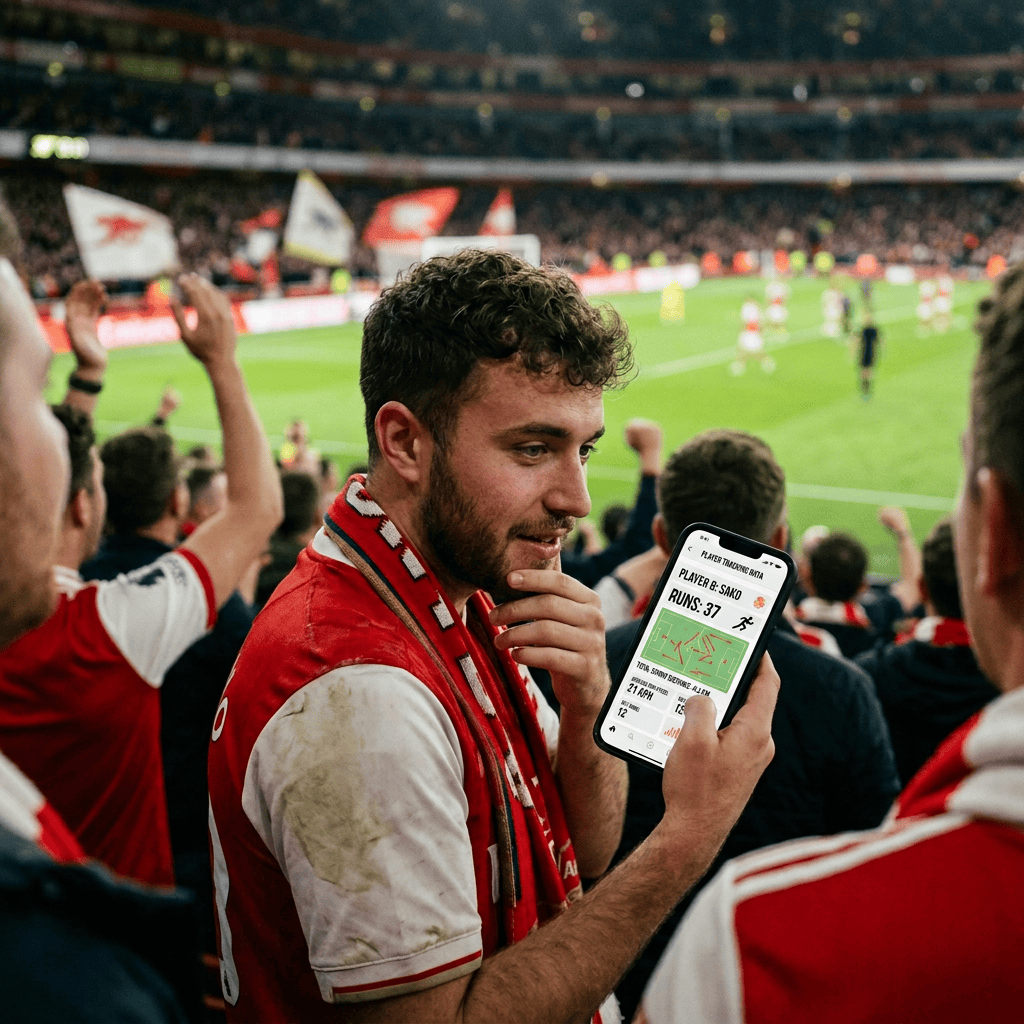
From scrolling through TikTok highlights to receiving AI-powered match updates, technology is fundamentally changing what it means to be a sports fan. But does increased connectivity necessarily create a better sporting experience?
The Evolution of Modern Sports Fandom
The relationship between sport and its audiences has undergone a significant transformation through technological innovation. Traditionally, supporters relied on stadium attendance, television and newspapers to engage with sport. Today, social media, digital streaming and artificial intelligence (AI) enable fans to interact with sporting organisations regardless of geographical location.
However, while technology creates opportunities for accessibility, personalisation and participation, it also introduces challenges surrounding affordability, privacy and commercialisation.
This raises an important question for sports marketers: should technological success be measured through increased digital engagement or through the quality of supporters’ experiences?
Social Media: From Spectators to Active Participants
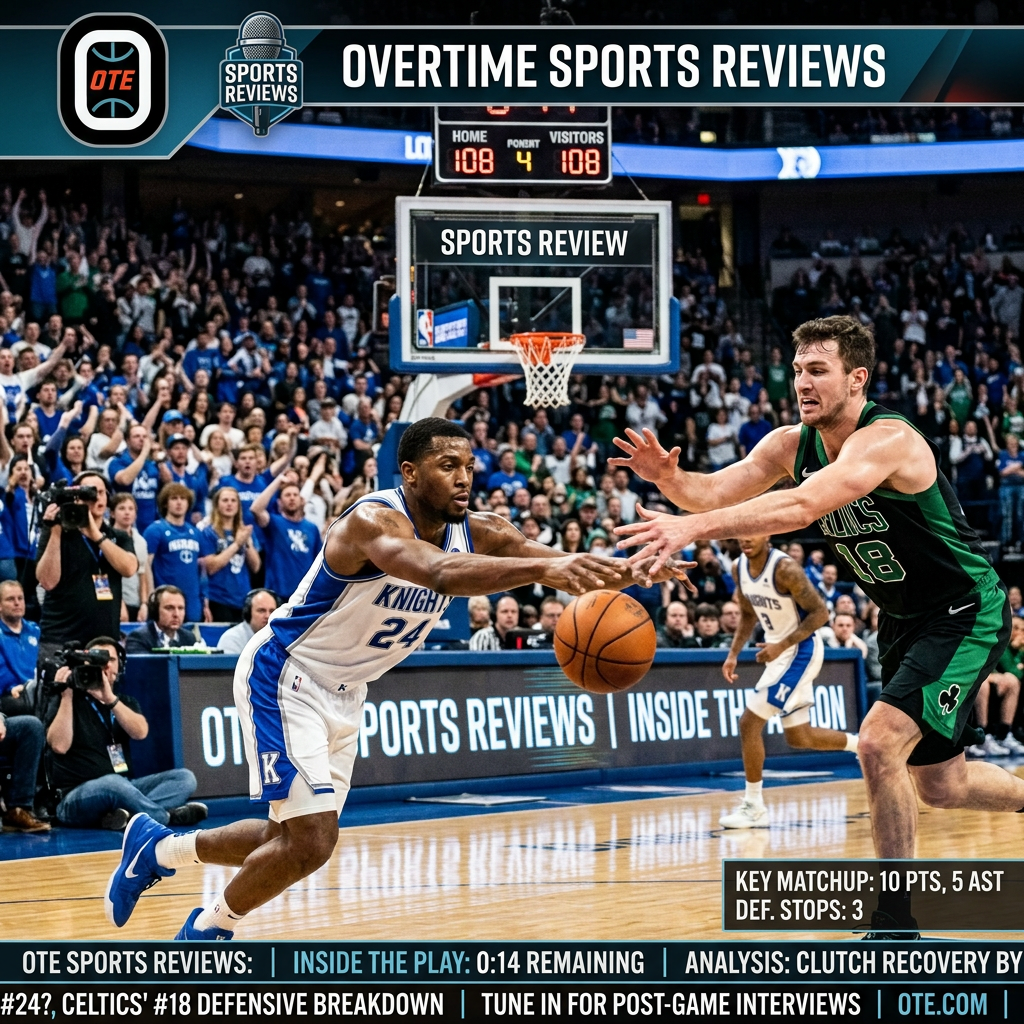
Social media has challenged traditional sports consumption by transforming supporters from passive spectators into active participants. Platforms such as TikTok, Instagram and YouTube enable fans to share opinions, interact with athletes and consume sporting content beyond matchdays.
OVERTIME demonstrates this transformation through its emphasis on short-form basketball content, emerging athletes and digital storytelling. Unlike traditional broadcasters, its social-first approach delivers sporting entertainment in formats suited to mobile consumption.
This development can be understood through Uses and Gratifications Theory, which suggests that audiences actively select media to satisfy personal needs, including entertainment, information and social interaction (Katz, Blumler and Gurevitch, 1973).
However, while short-form content can attract younger audiences, algorithm-driven platforms may prioritise viral moments over sporting context. Supporters could consequently develop stronger attachments to individual athletes than sporting organisations.
For sports marketers, this presents a strategic challenge: attracting digital attention is valuable, but converting temporary engagement into sustainable fan loyalty is considerably more complex.
Digital Streaming: Accessibility or Commercial Exclusion?
Digital broadcasting has increased flexibility by allowing supporters to consume sporting content across smartphones, tablets and other connected devices.
The Premier League’s £6.7 billion domestic broadcasting agreement, covering the 2025/26 to 2028/29 seasons, illustrates the commercial importance of sports media. Sky Sports secured at least 215 live matches per season, while TNT Sports secured 52, with BBC Sport retaining free-to-air highlights (Premier League, 2023).
Although this provides greater live coverage, the distribution of broadcasting rights across subscription services creates potential financial barriers.
Supporters may have greater technological access while experiencing reduced economic accessibility. This contradiction demonstrates that innovation does not necessarily democratise sports consumption.
From a marketing perspective, broadcasting revenue supports commercial growth. However, excessive subscription costs risk alienating supporters whose loyalty is not matched by their purchasing power.
Therefore, sporting organisations must balance revenue maximisation with their responsibility to maintain accessible fan experiences.
Artificial Intelligence: Personalisation at What Cost?
Artificial intelligence is increasingly being integrated into sports media to deliver personalised and interactive experiences.
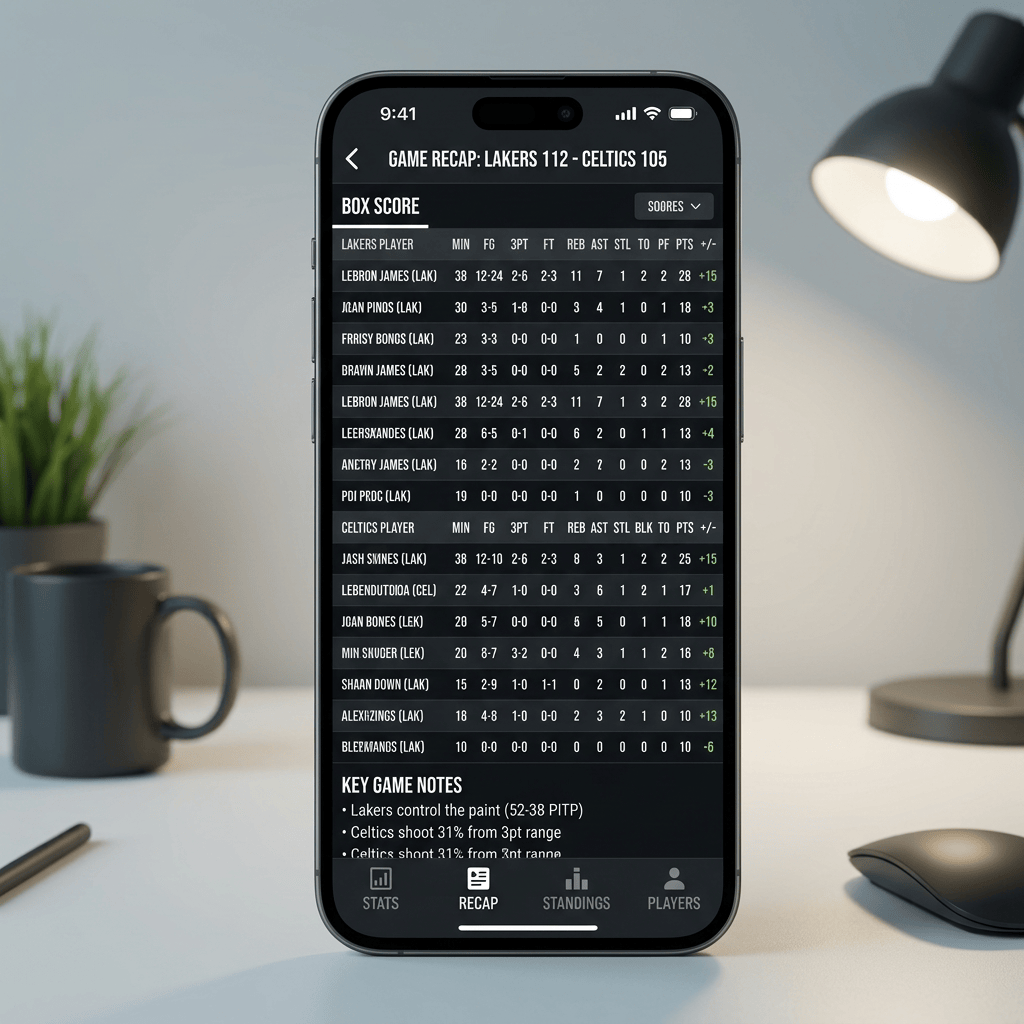
In 2024, the NBA introduced NBA Insights, an AI-powered feature designed to provide real-time summaries and contextual information during basketball games (Microsoft, 2024).
Such innovations can enhance understanding, particularly for newer supporters unfamiliar with complex sporting statistics.
Nevertheless, personalisation introduces ethical concerns surrounding data collection, privacy and commercial targeting. Algorithmic recommendations may also limit exposure to unfamiliar teams, athletes or competitions.
This challenges the assumption that greater personalisation automatically improves the fan experience. While convenience can strengthen engagement, excessive reliance on automated recommendations may reduce opportunities for independent discovery.
Responsible sports marketers should therefore prioritise transparent data practices and supporter autonomy alongside technological efficiency.
Digital Communities and the Changing Meaning of Fandom
Technology has also transformed the social and emotional dimensions of sporting identity.
Social Identity Theory argues that individuals develop aspects of their identity through membership of social groups (Tajfel and Turner, 1979). Digital supporter communities extend this process beyond traditional geographical boundaries, enabling international fans to develop shared identities through online interaction.
However, digital communities cannot necessarily reproduce the atmosphere, traditions and interpersonal relationships associated with stadium attendance. Furthermore, online hostility and discriminatory behaviour may undermine the inclusive potential of digital participation.
The relationship between physical and digital fandom should therefore be viewed as complementary rather than competitive.
Sporting organisations could strengthen supporter relationships through integrated marketing strategies that combine accessible digital content with meaningful community-based experiences.
Rather than measuring success exclusively through views, impressions and follower numbers, organisations should also evaluate supporter satisfaction, trust, accessibility and long-term loyalty.
Conclusion: Putting Fans Before Technology
Technology has fundamentally reshaped sports fandom by increasing accessibility, encouraging participation and enabling personalised experiences. Organisations such as OVERTIME, the Premier League and the NBA demonstrate how digital innovation can create considerable marketing opportunities.
However, financial exclusion, privacy concerns and fragmented engagement reveal the limitations of technology-driven commercial strategies.
The future of sports marketing should not be defined solely by technological advancement but by its ability to strengthen meaningful relationships between sport and its audiences.
Ultimately, technology should serve the supporter rather than transform fandom into an exclusively commercial transaction.
References
Katz, E., Blumler, J.G. and Gurevitch, M. (1973) ‘Uses and gratifications research’, Public Opinion Quarterly, 37(4), pp. 509–523. Available at: https://doi.org/10.1086/268109
Microsoft (2024) NBA transforms basketball fandom with Azure OpenAI Service giving game insights. Available at: https://www.microsoft.com/en/customers/story/19758-national-basketball-association-azure-open-ai-service
Premier League (2023) Premier League completes sales process for UK live rights and free-to-air highlights. Available at: https://www.premierleague.com/en/news/3807882
Tajfel, H. and Turner, J.C. (1979) ‘An integrative theory of intergroup conflict’, in Austin, W.G. and Worchel, S. (eds.) The Social Psychology of Intergroup Relations. Monterey, CA: Brooks/Cole, pp. 33–47.

